 Shop in Italian

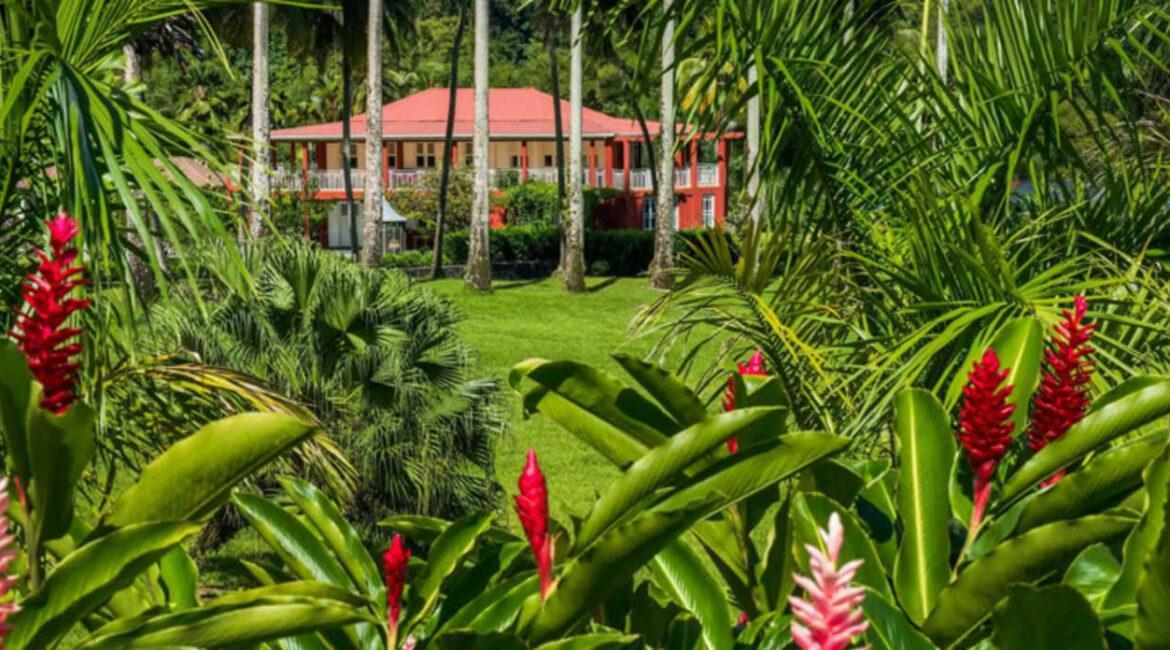
Habitation Saint-Étienne, or HSE, was founded on the site of a former sugar refinery near La Maugée.
By the early nineteenth century, the Martinique estate covered more than 400 hectares. Workers lived in huts on the property.
The dream of a fine distillery
Amédée Aubéry dreamed of turning the refinery into a distillery. He did just that after buying the estate in 1882. The Simonnet family succeeded the Aubérys and expanded the business. It was a golden age for the distillery, and its name became known across Martinique.
At the time, spirits such as rum were sold only in small shops known as management offices.
Rum was more than something to sell. It connected the family who made it with the people living nearby and in the surrounding areas.
New roads and the rise of supermarkets began to change how people shopped. The Simonnet family eventually had to sell the estate to the Dormoy family. By the late 1980s, the dream seemed to have faded for good.
A new beginning for the distillery
As Heraclitus said, without hope it is impossible to find the unexpected. Just as the distillery seemed to be in its final days, Yves and José Hayot breathed new life into it in 1994 and restored it to its former glory.
The Hayot family revived the original dream and restored the quality on which any distillery depends.
The Hayots wanted to revive both the rum and the culture that had grown up around it.
They dismantled the old still columns and began a painstaking renovation to ensure the quality of the rum for years to come.
A craft that begins in the fields
Growing and distilling were part of a wider tradition, rooted in the land and looking to the future. Keeping that tradition alive was a way to give the name the recognition it deserved.
The distillery and house are listed historic monuments and are examples of Martinique’s late nineteenth-century industrial architecture.
Our Online Wine Shop offers a range carefully selected by our experts.