 Shop in Italian

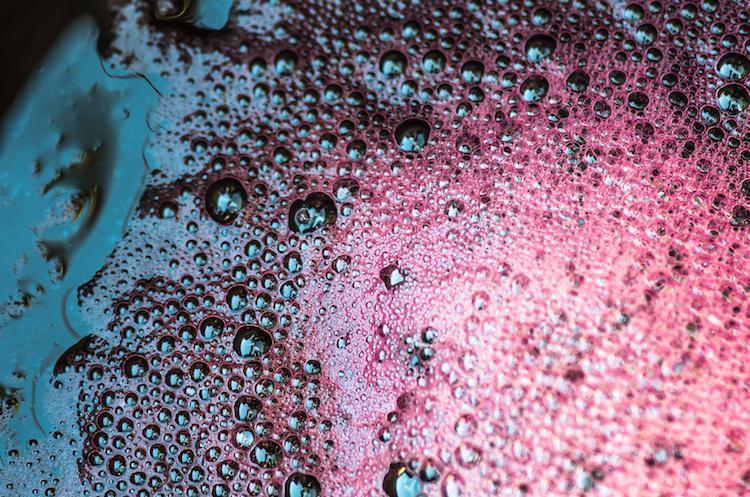
Before discussing malolactic fermentation, it helps to start with alcoholic fermentation. Certain yeasts carry out this process in the absence of oxygen. In our Online Wine Shop we offer several wines with this characteristic and are happy to explain it in detail. Alcoholic fermentation occurs in bread-making and when grape must turns into wine, for example.
Alcoholic fermentation was the first metabolic process to be reproduced in vitro, after researchers discovered that enzymes could be isolated. In this case, the enzymes were isolated from yeast.
How Malolactic Fermentation Works
Malolactic fermentation follows alcoholic fermentation and helps the wine mature. During alcoholic fermentation, yeasts consume the sugars. As carbon dioxide levels fall, a small amount of acetic acid is present, contributing to the wine’s volatile acidity.
At this stage, the wine is vulnerable.
Malic acid takes its name from apples. It is also present in other fruits and even in the human body. In grapes, it is found in the skins. During malolactic fermentation, it is converted into lactic acid and carbon dioxide.
Wine is particularly vulnerable after alcoholic fermentation. Malolactic fermentation (MLF), sometimes called secondary fermentation, starts an enzymatic process that helps stabilise the wine.
Conditions for Malolactic Fermentation
Several conditions are needed for this process. The wine should have a low pH without being excessively acidic. Carbon dioxide levels should also be limited, and the alcohol content should not exceed 15%. The ideal temperature is around 18–20 °C. Soil characteristics can also play a part.
Malolactic fermentation produces a fuller-bodied wine through the concentration of polysaccharides. It can also give the wine a softer, more balanced character and delicate aromas. Notes of walnut, vanilla, spices and dairy can become more pronounced. Chardonnay, for instance, may have subtle banana aromas softened by hints of caramel and citrus. Cabernet can offer notes of black pepper, raspberry and currant.
When Malolactic Fermentation Is Used
Traditionally, MLF was used only for red wines. It is now also used for some whites.
Bacteria naturally present in the grape must, or selected strains of Oenococcus and Lactobacillus, help produce a consistent quality of wine across vintages.
After malolactic fermentation, some bacteria can still spoil the wine, so to speak. Treatments such as pasteurisation, sulphiting and microfiltration can help prevent this.
After bottling, fermentation stops once the wine’s malic acid has been depleted.


A very well-written article. It was really helpful for a university research project I had to do. With all that expertise, I can hardly pass up the chance to buy one of your wines!
[…] because after the wine is drawn off the skins, it goes into oak barriques for malolactic fermentation. After racking, the wines are kept separate by grape variety and vineyard of origin. For one year […]
[…] stainless steel. The wine is then transferred to oak barrels to complete alcoholic and malolactic fermentation. It matures in oak for about 8–10 months and completes its ageing in […]
[…] controlled. The wines are then blended and transferred to French oak barrels for malolactic fermentation and the breakdown of the fermentation yeasts. The wine is bottled under screw cap and aged in […]
[…] alcoholic fermentation, the wine is placed in new barriques to complete malolactic fermentation. It is then aged for 14 months in small oak barrels. In the bottle, it undergoes […]