 Negozio in Italiano

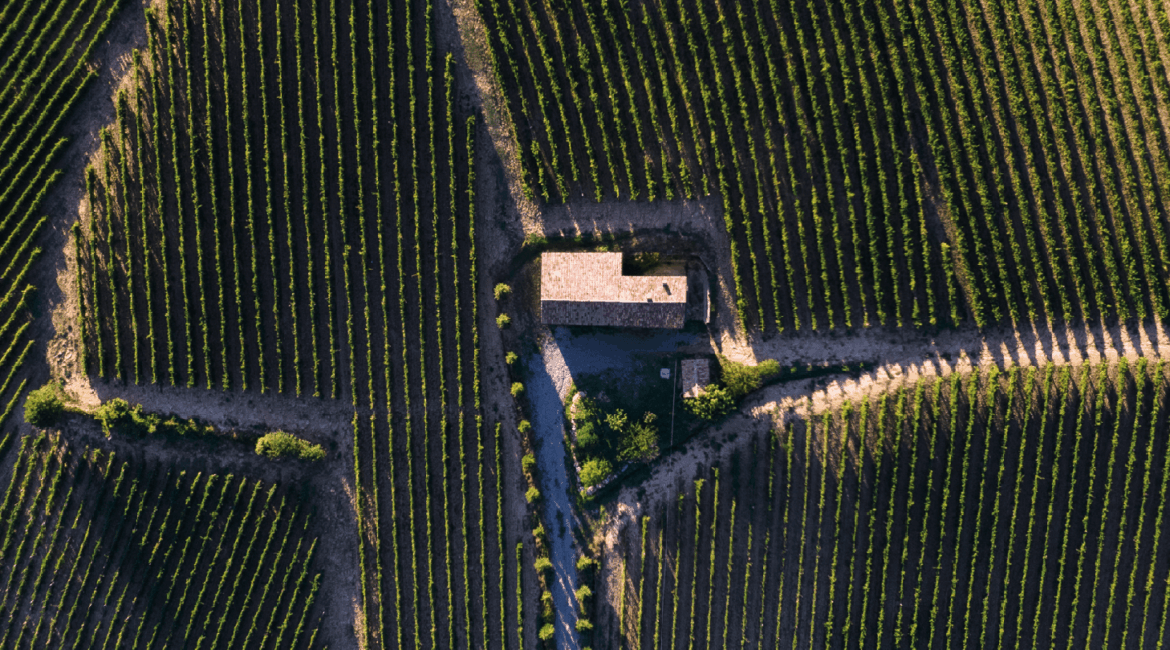
The wine history of Oltrepò Pavese deserves to be explored before the first bottle is opened. South of the River Po in Lombardy, these hills are home to a tradition that brings together Pinot Noir, sparkling wines and reds made from local grape varieties. This region has helped shape Italian wine culture, yet still offers the pleasure of discovery.
To explore that heritage, we begin with its history and arrive at a contemporary producer: Bosco del Sasso, in Canneto Pavese. It is a journey from landscape to glass, revealing what makes this corner of Lombardy worth getting to know.
A wine region with roots deeper than its fame
According to the regional wine consortium’s historical account, winemaking traditions in this area predate Roman rule. For centuries, Oltrepò has been a place of passage between the plains and the Apennines, where growing vines became part of farming life and village identity.
The nineteenth century marked a turning point for Pinot Noir and sparkling wine. At Rocca de’ Giorgi, the Vistarino family’s work helped open a new chapter for local sparkling wines. The consortium dates their first Oltrepò blanc de noirs to 1865: a white sparkling wine made from dark-skinned grapes.
Recognition soon reached beyond the region. The Terra del Pinot Nero association records awards won by Vistarino sparkling wines at the London exhibition in 1875 and in Paris in 1902. Even then, these hills were taking part in the international conversation about wine.
The twentieth century and the role of Pinot Noir
During the twentieth century, Oltrepò grapes also found their way into bottles from major Italian sparkling wine houses. Terra del Pinot Nero documents the use of the area’s grapes by producers including Gancia, Cinzano and Martini & Rossi, alongside the work of local wineries.
Two milestones show how this identity developed: recognition of the Oltrepò Pavese DOC in 1970 and the Oltrepò Pavese Metodo Classico DOCG in 2007. These achievements accompany a tradition that continues to evolve, bringing together agricultural experience and work in the cellar.
Why Oltrepò deserves a fresh look
A long production history does not automatically bring equal recognition among wine lovers. In a 2020 feature on Pinot Noir, Gambero Rosso described Oltrepò’s struggle to establish a clear identity and the potential that still deserved fuller appreciation.
That is what we mean by a region that has long been underestimated: an important heritage that rewards closer attention. Rediscovery can begin with a simple question: where does the wine in our glass come from? Getting to know a producer, understanding production methods and comparing styles can make tasting more rewarding.
Bosco del Sasso: a contemporary voice from Canneto Pavese
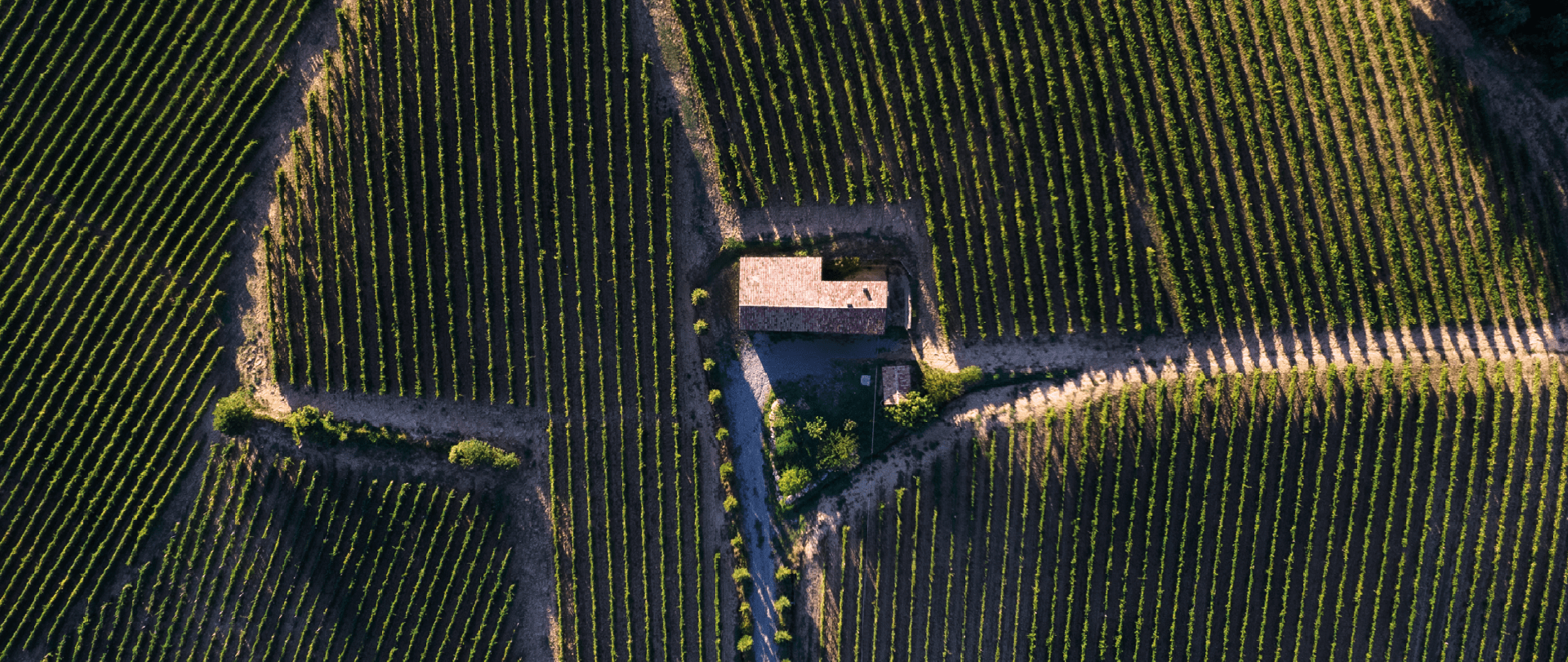
Bosco del Sasso is located in the hamlet of Roncole, in Canneto Pavese, between the Versa and Scuropasso valleys. Four hectares of vineyards, a farmhouse and a line of cypress trees shape the setting of this young winery. Steep slopes call for manual work and daily care.
Its range brings together two sides of Oltrepò: sparkling wines from Pinot Noir and the local grapes behind Buttafuoco. It offers a starting point for exploring the region through different bottles, choosing a style to suit the food and occasion.
Lunaria Brut: Pinot Noir meets the traditional method
Lunaria Brut Traditional Method is made from Pinot Noir vinified as a white wine and spends 30 months ageing on the lees. Citrus, hints of dried fruit and a persistent palate define its profile. Try it with seafood starters and shellfish, served at 6–8°C. For a shared occasion, discover Lunaria in Magnum format too.
19.09 Extra Dry: a gently rounded sparkling style
19.09 Extra Dry Pinot Noir uses the Martinotti-Charmat method. Fruity aromas, freshness and a gentle touch of sweetness make it an inviting aperitif with cured meats and local cheeses. The producer recommends serving it at 8–10°C.
Buttafuoco Storico: the red-wine soul of eastern Oltrepò
Bosco del Sasso’s Buttafuoco Storico brings together Croatina, Barbera, Uva Rara and Ughetta di Canneto. Ageing in wood shapes a structured red to pair with braised meats, game and mature cheeses. It reveals another side of the journey: from sparkling wines to reds rooted in local varieties.
Get to know Oltrepò, one glass at a time
Rediscovering a wine region takes curiosity and opportunities to compare. An aperitif, a dinner or a bottle shared with friends can become a starting point for learning about places and traditions we have yet to explore.
Explore the Bosco del Sasso selection at PrimeWine and choose where to begin your discovery of Oltrepò Pavese.
Sources and further reading
- Oltrepò Pavese wine consortium: the history of the region and traditional-method sparkling wine (Italian).
- Terra del Pinot Nero association: the history of Pinot Noir in Oltrepò Pavese (Italian).
- Gambero Rosso: Oltrepò Pavese and Pinot Noir, 13 January 2020 (Italian).
- Bosco del Sasso: winery and territory and wine range (Italian).

 Italian
 English
